noise-signal-simulator
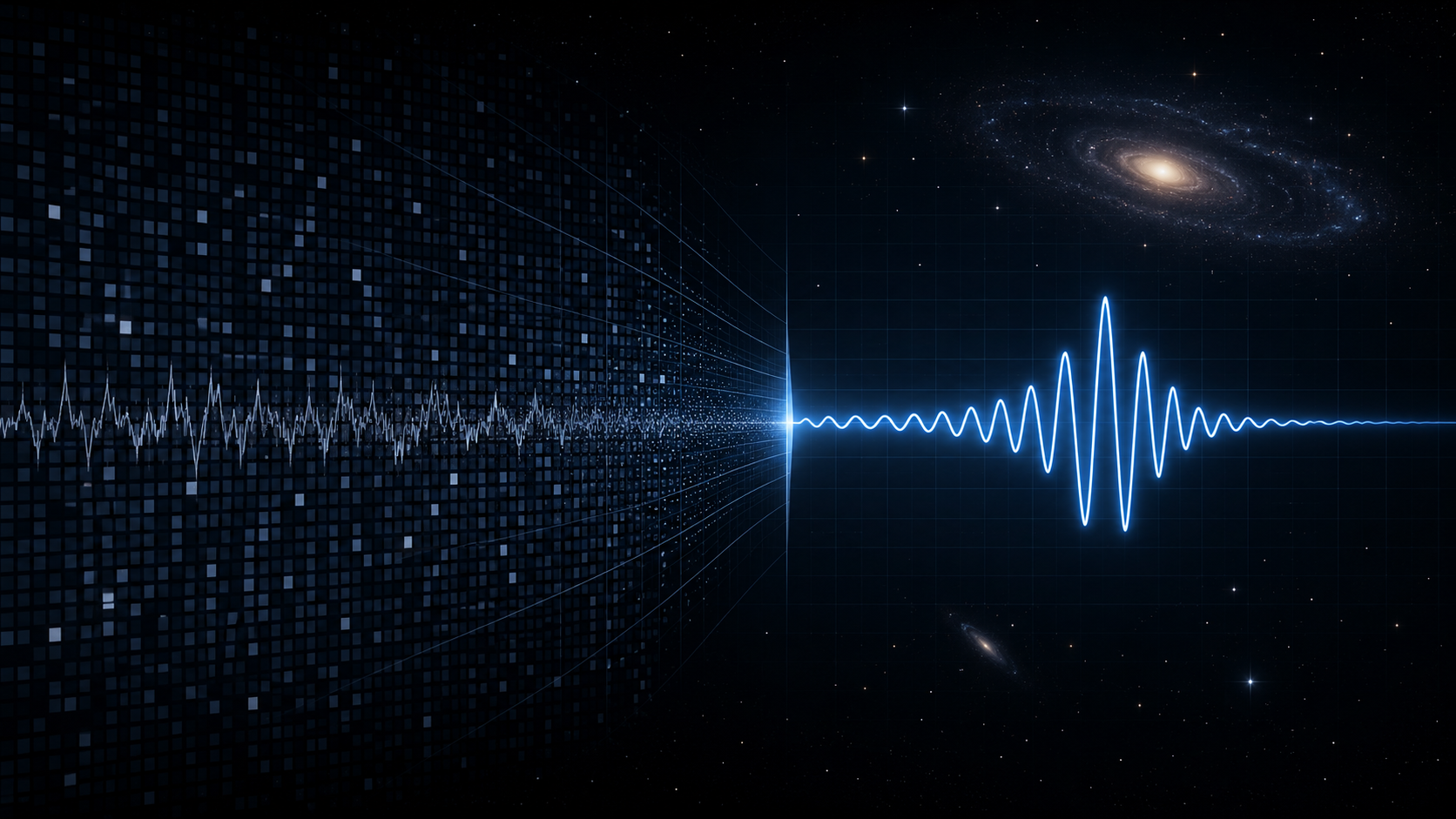
Noise + Signal Simulator
Interactive scientific tool for exploring how noise affects weak signals and how smoothing can help recover hidden patterns.




What this project does
This project simulates a clean scientific signal, adds random noise, and then applies smoothing to show how hidden patterns can be recovered.
Users can explore:
- true signal
- noisy observation
- smoothed recovery
- noise level
- smoothing window
- signal-to-noise ratio
Why this matters
Noise is unavoidable in real scientific measurements.
In astronomy and instrumentation, weak signals are often affected by:
- detector noise
- photon noise
- sky background
- thermal effects
- electronic noise
- environmental fluctuations
Understanding signal-to-noise ratio is essential for interpreting data from telescopes, spectrographs, detectors, and laboratory instruments.
Visual Understanding
Noisy Scientific Signal
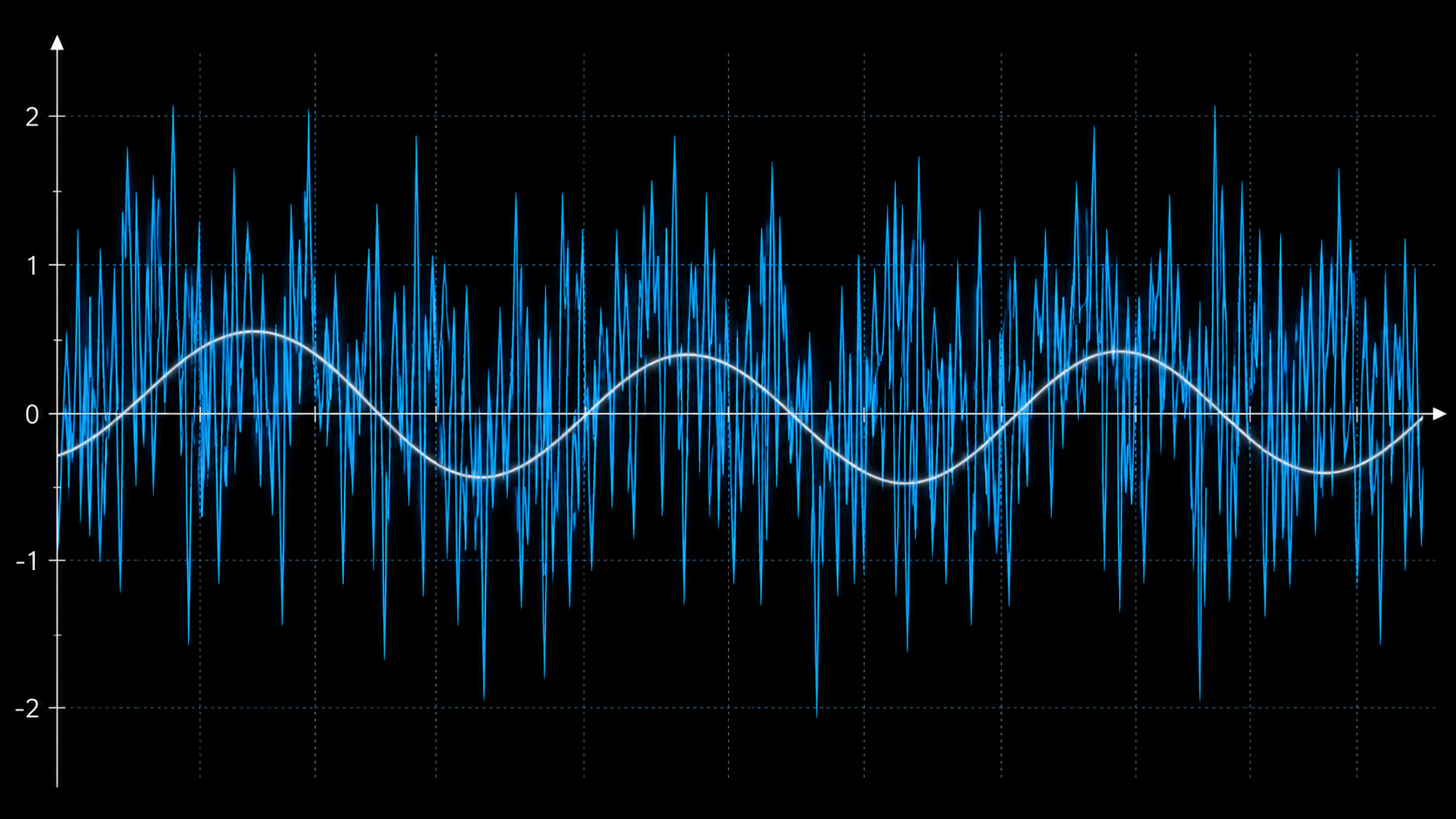
A weak signal can be hidden beneath random fluctuations.
Signal Recovery
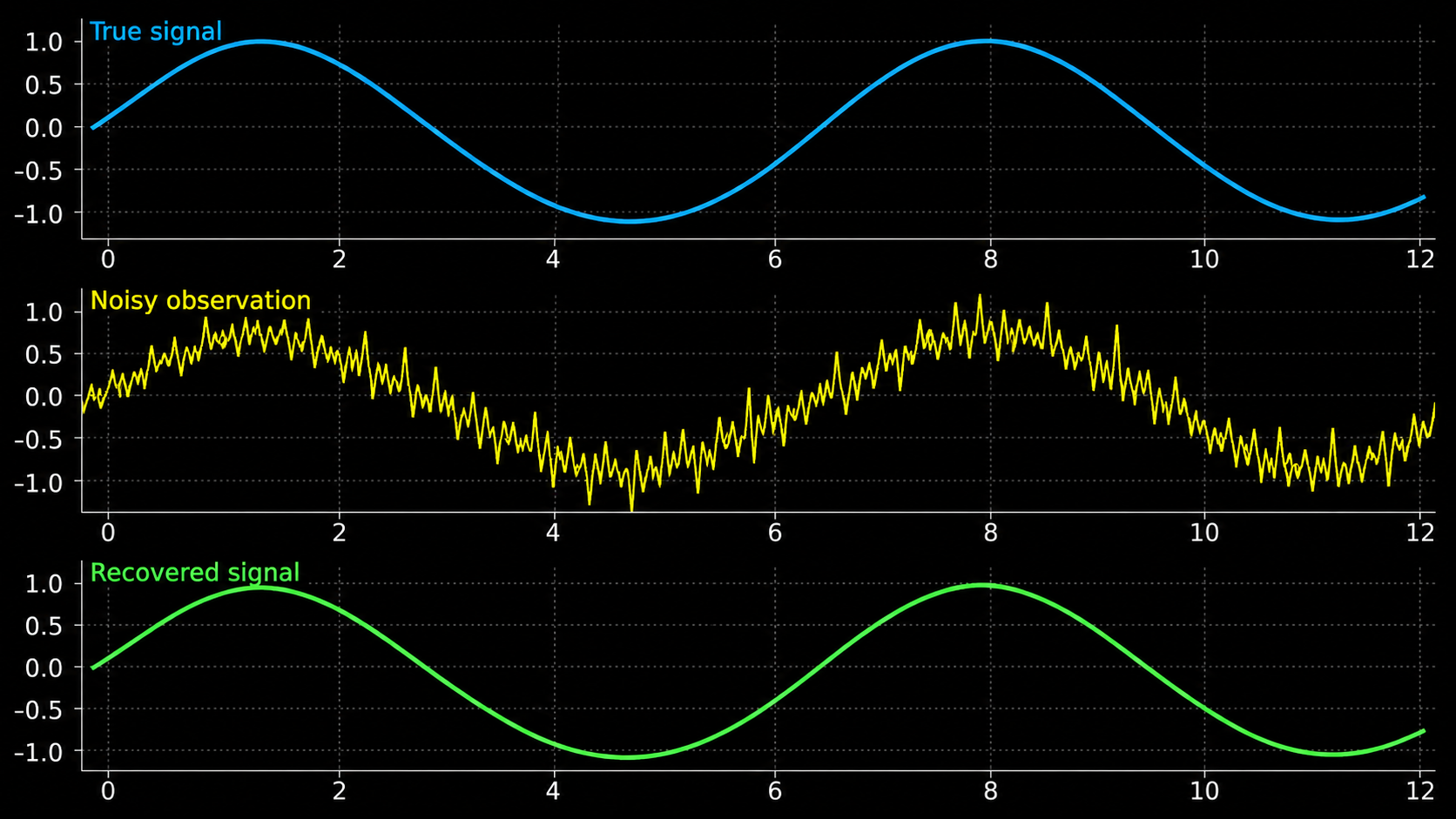
Smoothing can help reveal the underlying pattern, but excessive smoothing may remove real features.
Detector Noise Context
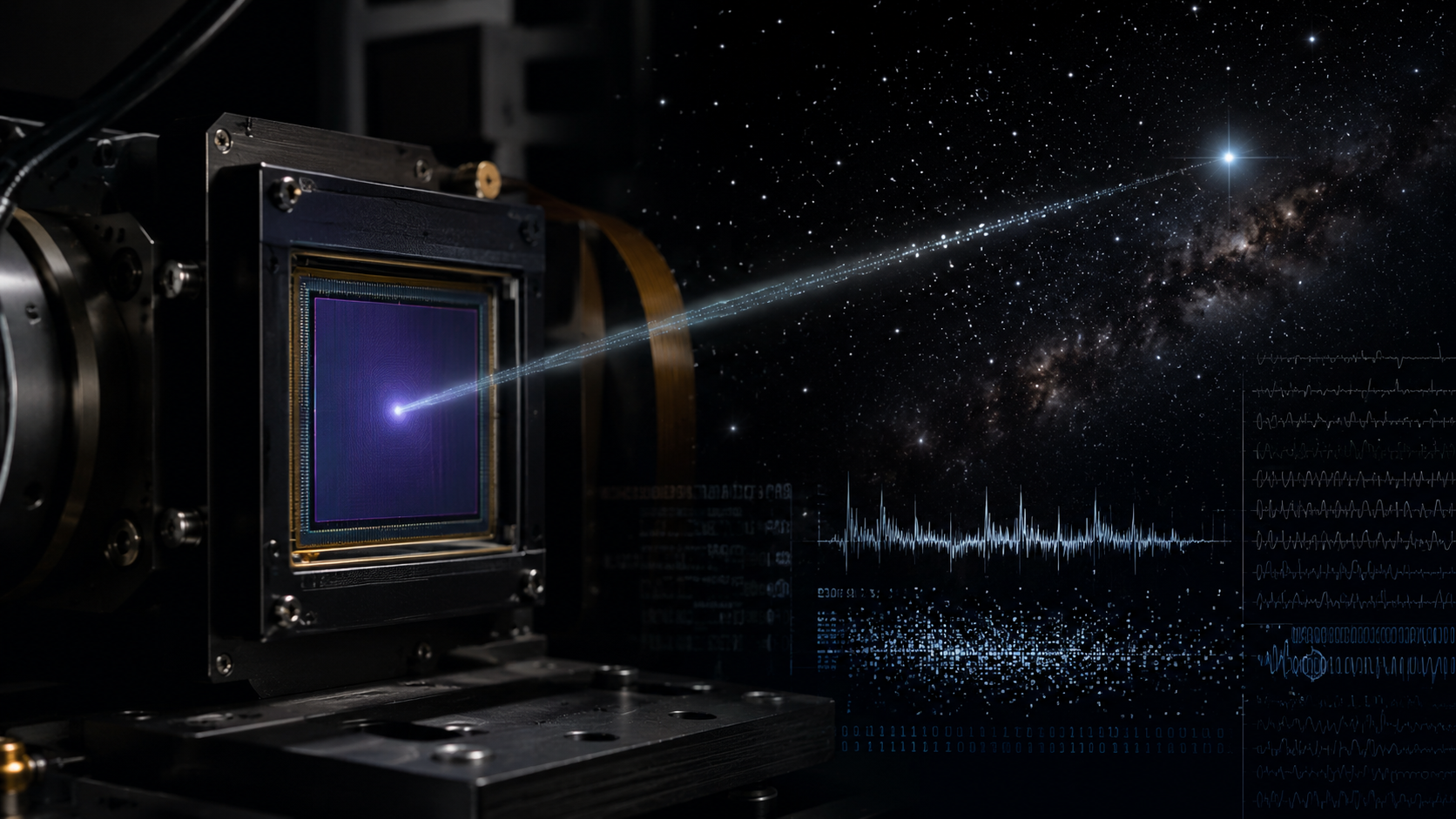
Instruments often record both real signal and unwanted noise.
Physics and data-analysis background
A simplified signal-to-noise ratio can be written as:
```text SNR = signal strength / noise strength
In this project:
signal strength is estimated from the spread of the true signal noise strength is estimated from the spread of the random noise
This is a simplified educational model. Real scientific instruments may include more complex noise sources.
Research Quality Upgrade
See RESEARCH_QUALITY.md for the validation layer, reference anchors, equations and research boundaries added to this repository.