Biswajit Jana
I am an astrophysics graduate with a background in Electronics and Communication Engineering. My work sits between astronomical instrumentation, optical diagnostics, environmental monitoring, feedback-controlled experiments, brown dwarf research, and Python-based scientific analysis.
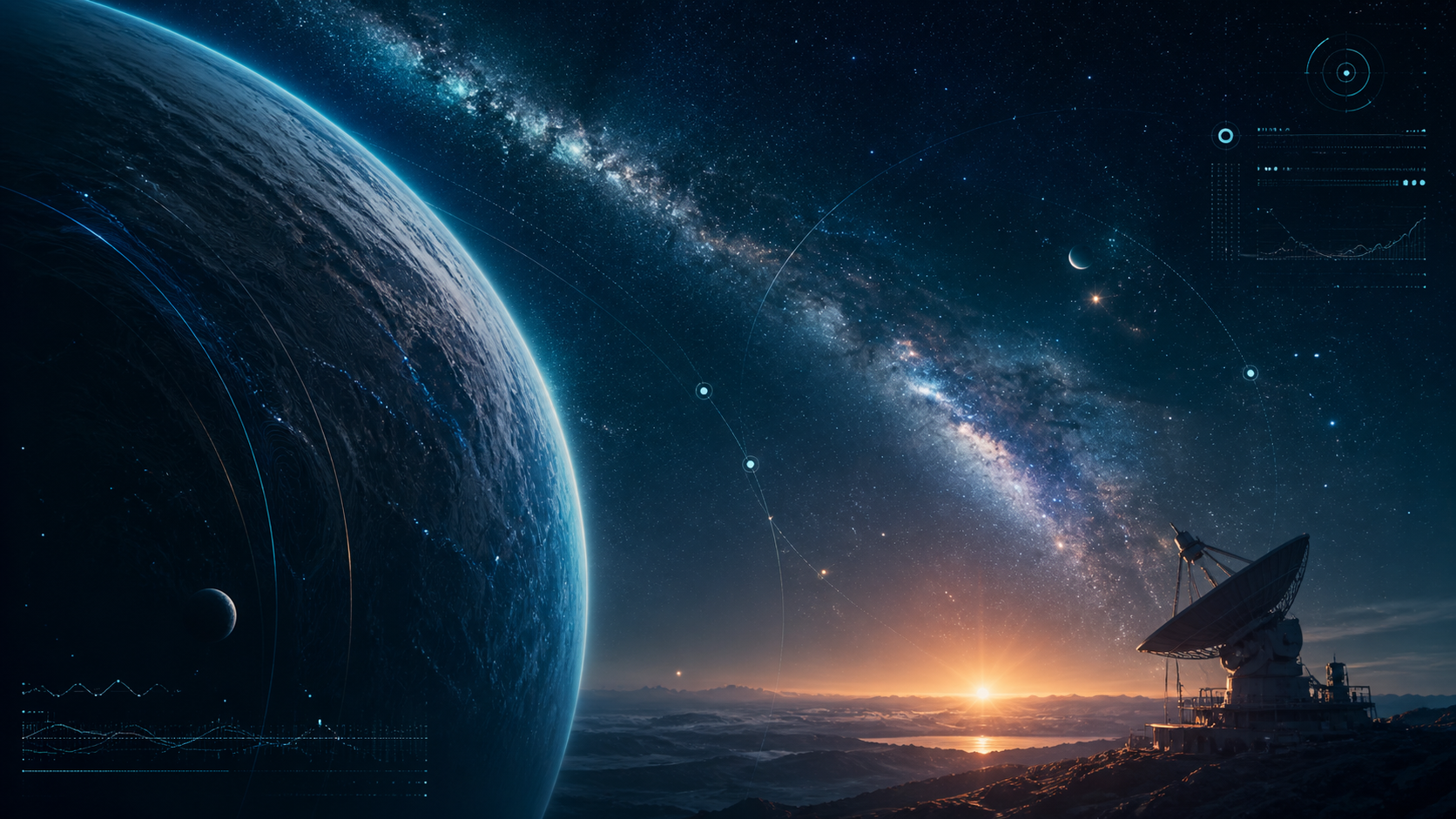

Astrophysics + Instrumentation
Research experience across optical systems, laboratory instrumentation, sensor-driven experiments, and scientific analysis.
My profile connects astrophysics with practical engineering: optical path behaviour, environmental data, detector-plane stability, hardware response, and feedback logic.
Researcher profile
A short overview of my academic path, research interests, and technical working style.
MSc Astrophysics & BTech ECE
I completed my MSc in Astrophysics with Advanced Research at the University of Hertfordshire, where my dissertation focused on closed-loop feedback control for EXOhSPEC. Before that, I completed a BTech in Electronics and Communication Engineering, which gave me foundations in instrumentation, embedded systems, signal handling, communication systems, and hardware-based experimentation.
Astrophysics with instrumentation focus
My interests include exoplanet spectroscopy, astronomical instrumentation, optical systems, radial-velocity methods, brown dwarfs, satellite laser ranging, and experimental approaches where engineering and physics meet.
Build, test, model, improve
I enjoy projects where theory and hardware interact directly. My approach usually involves designing a setup, testing behaviour experimentally, analysing data, modelling system response, and refining the setup through iterative improvement.
Skills across science, engineering, and software
EXOhSPEC stabilisation
EXOhSPEC stands for Exoplanet High-Resolution Spectrograph. My current research direction explores how environmental effects, optical behaviour, and feedback strategies influence the stability of this instrument platform.
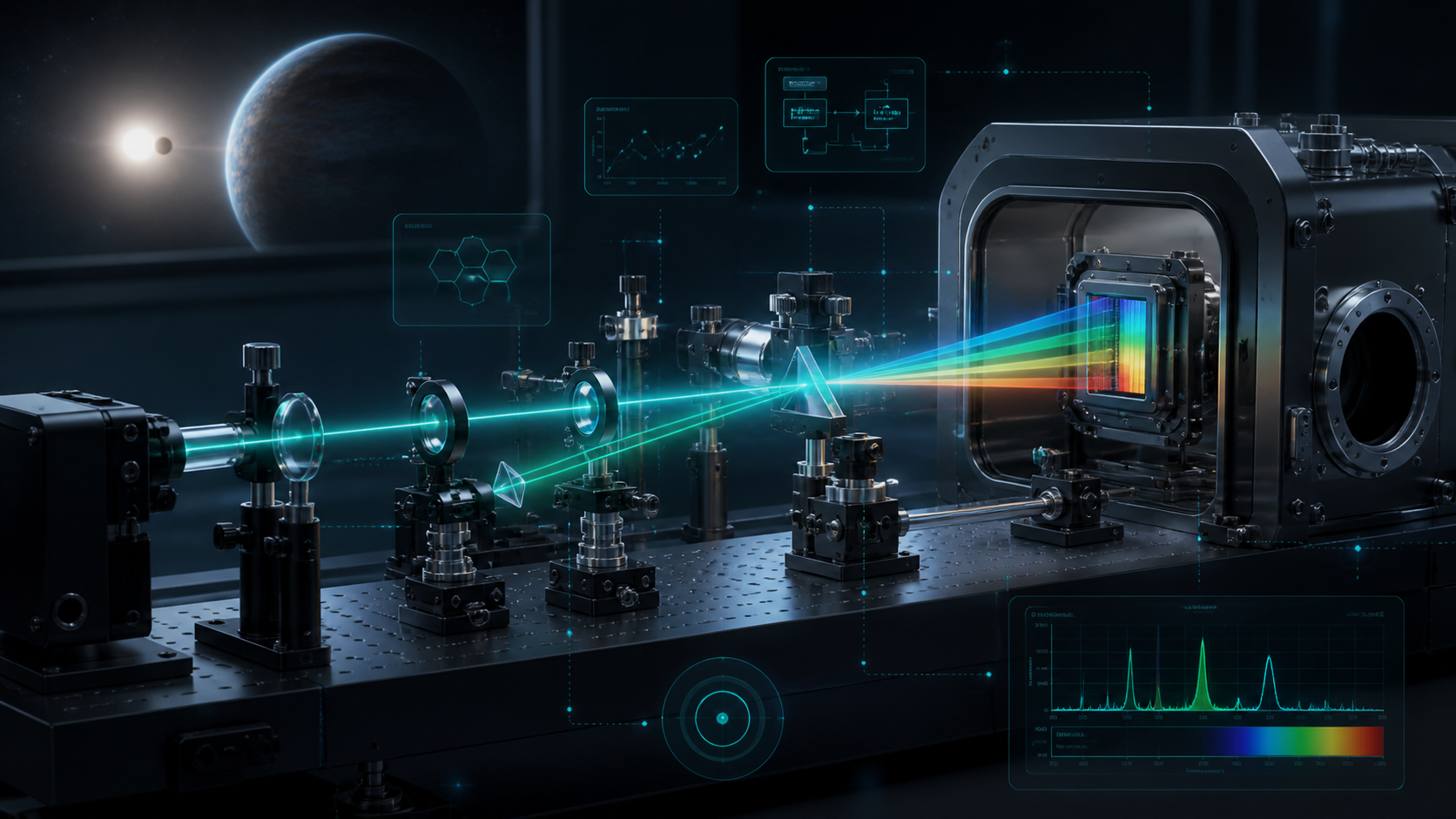
Closed-loop control for a precision optical instrument
This work involves thermal control, environmental monitoring, optical path behaviour, adaptive correction ideas, and Python-based analysis. The project is still in progress, so I present it as an evolving research programme rather than a finalised result.
- Experimental study of environmental response and instrument stability
- Integration of optics, electronics, and software-driven feedback
- Use of laboratory data to guide design and interpretation
- Ongoing development toward a clearer and more stable control strategy
Code, thesis, posters and seminars
I have organised supporting material from my MSc instrumentation work in a dedicated GitHub repository. It includes thesis material, MaxIm DL notebooks, Python code, AO control material, Arduino/BME sensor code, seminar/poster content, and related project resources.
EXOhSPEC research development roadmap
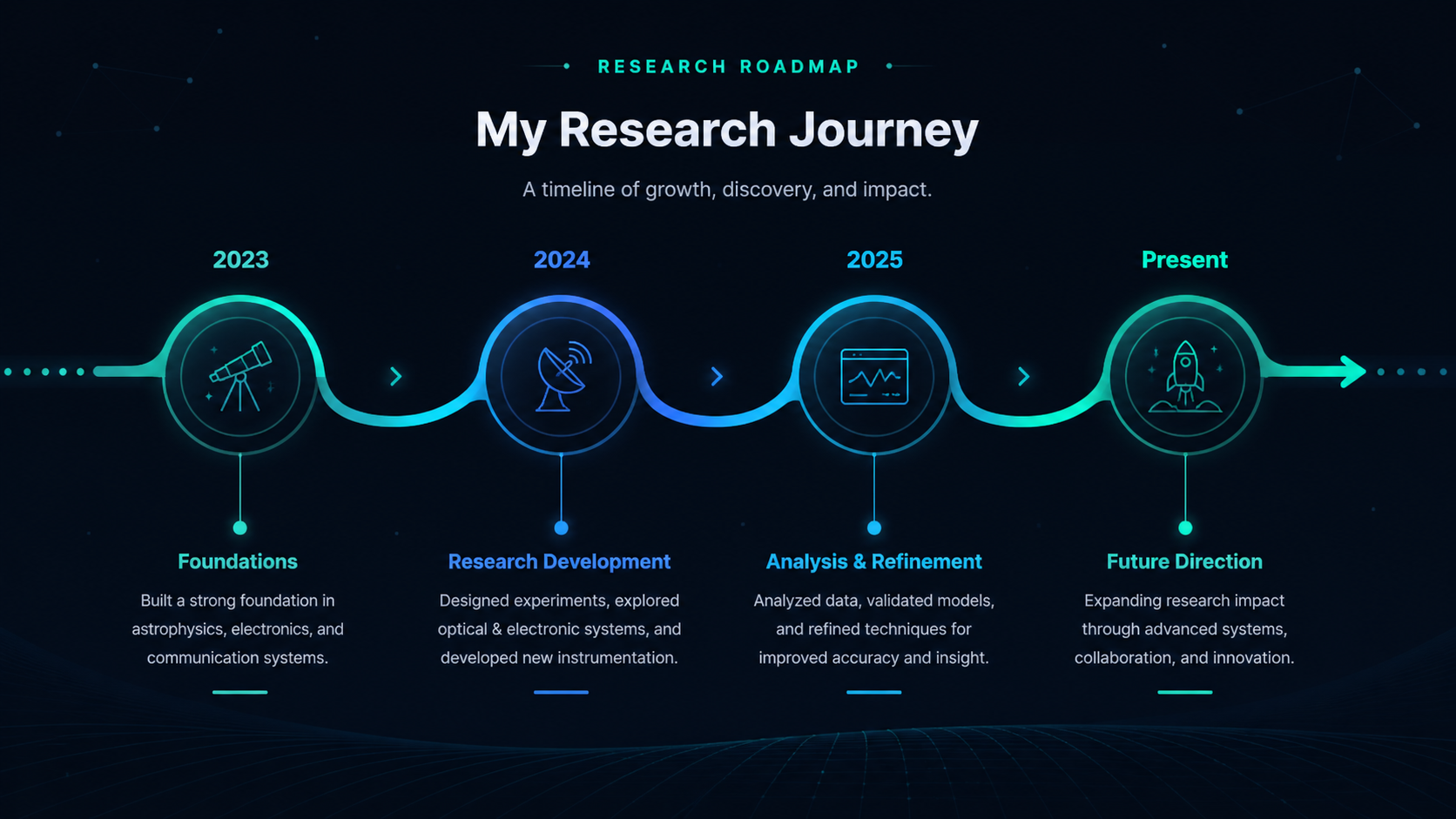
Started MSc research direction and initial EXOhSPEC engagement, focusing on the instrument problem and early control ideas.
Developed dissertation work around closed-loop feedback, environmental monitoring, and optical-path-related stability questions.
Extended analysis into longer experiments, feedback interpretation, adaptive correction ideas, and figure/report preparation.
Refining the research narrative, portfolio, paper preparation, blog writing, and PhD-aligned presentation of the instrumentation work.
Selected technical and research projects
A selection of academic, laboratory, and engineering projects across astrophysics, optics, instrumentation, scientific computing, and electronics.
EXOhSPEC feedback control
Work on spectrograph stability, environmental response, optical path behaviour, and feedback strategies for an exoplanet high-resolution spectrograph platform.
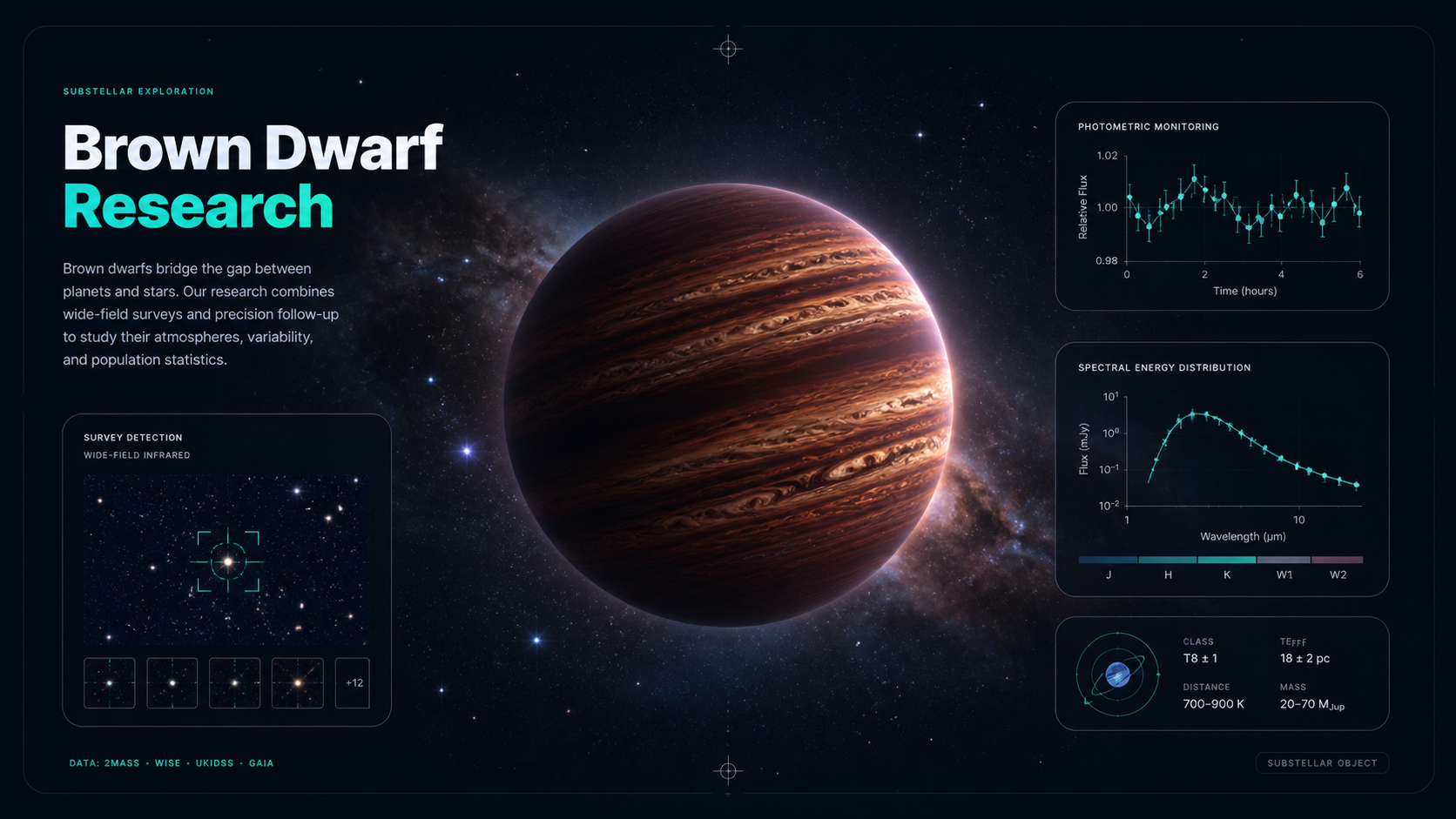
Halo T dwarf candidate research
Research involving VISTA, DES, and WISE survey data to investigate candidate halo T dwarfs and substellar populations. This work was also presented in a joint project talk.
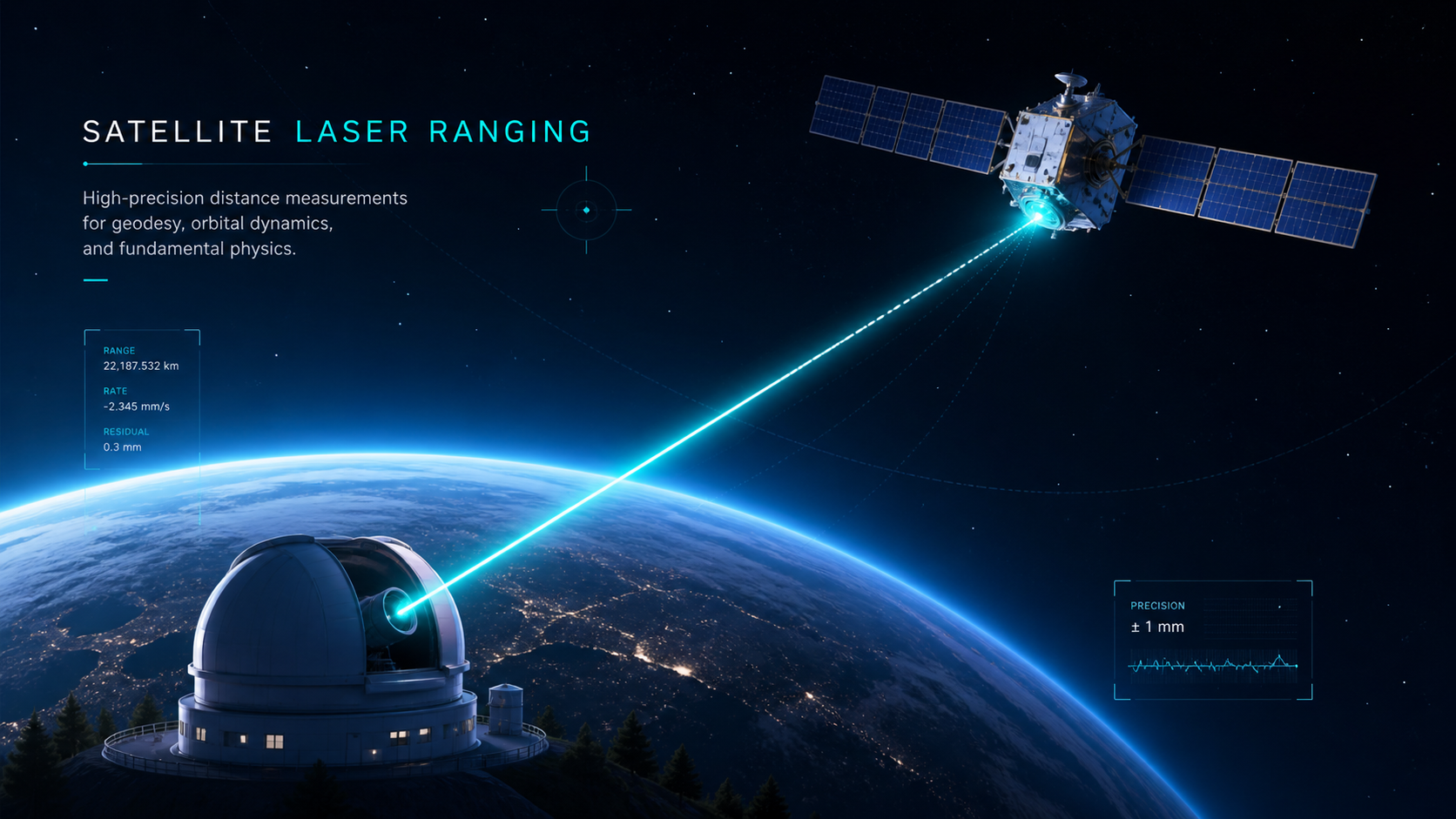
Satellite laser ranging detector study
SEPnet/Lumi Space placement studying detector performance for satellite laser ranging, including microbolometer feasibility, atmospheric transmission, and link-budget analysis.
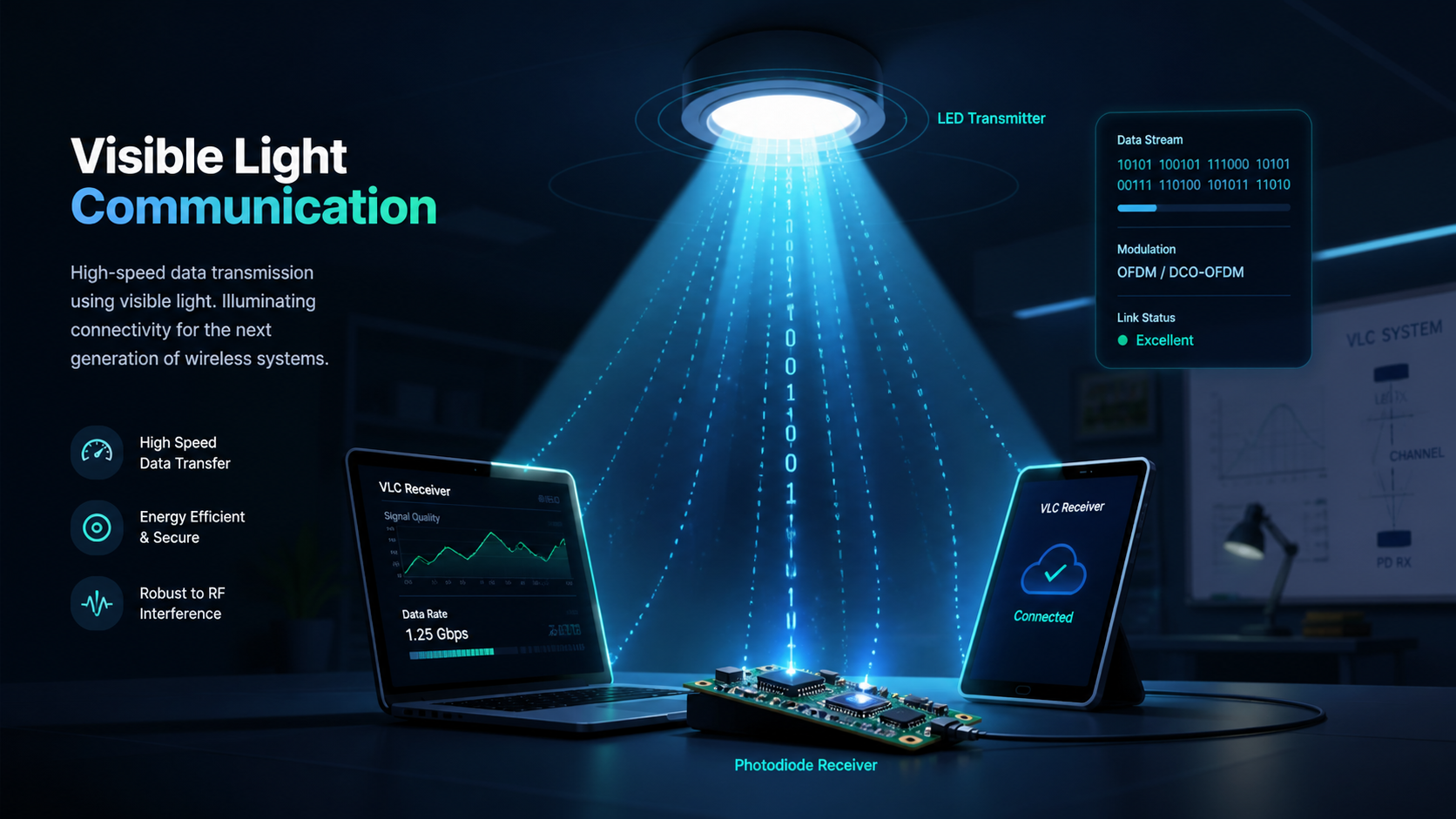
Visible light communication system
BTech project on a dimming-controlled visible light communication system using Raspberry Pi, optical/electronic hardware, and communication-system concepts.
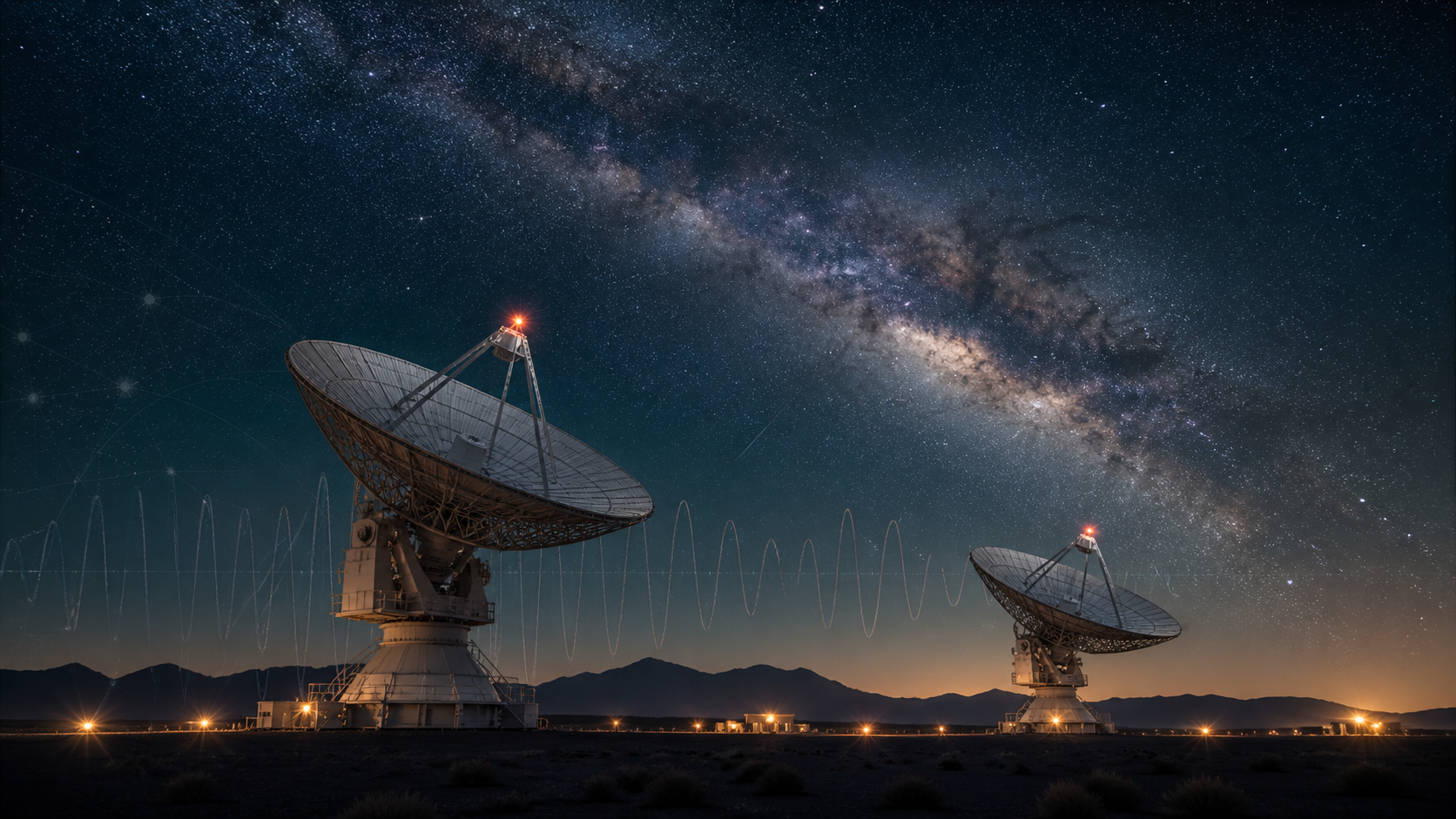
Radio interferometry project
Two-element radio interferometer project through a radio astronomy summer school, including hands-on exposure to observational setup work.
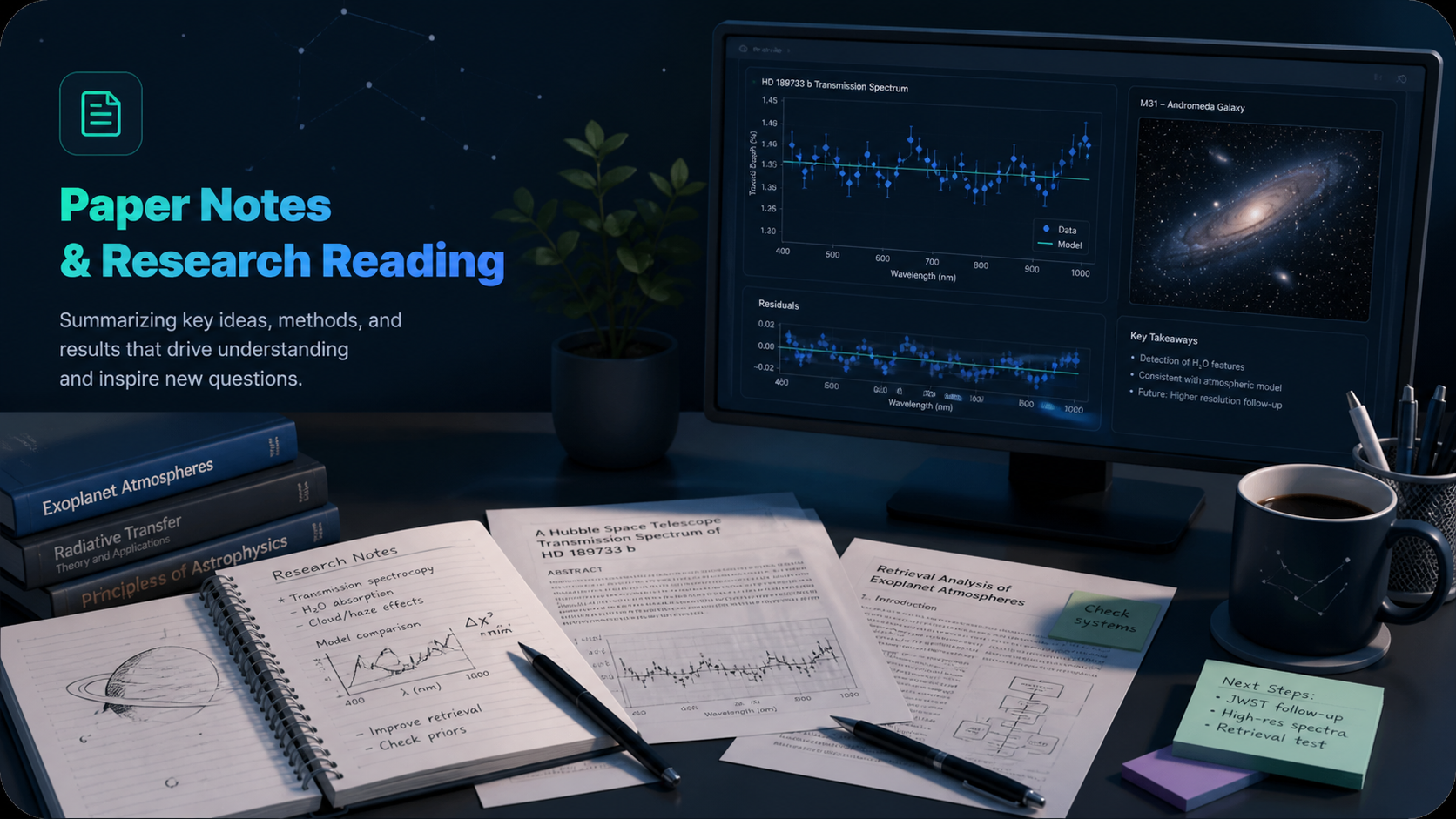
Scientific computing and analysis
Python-based analysis of astronomy data, environmental measurements, imaging data, experimental time series, and educational physics/astrophysics tools.
Paper notes, blogs, and scientific reflections
I use this space to write about astrophysics, instrumentation, cosmology, astrobiology, scientific computing, and the questions that make science feel human.
Reading papers actively, not passively
My paper notes are a structured reading space for papers in radial velocity instrumentation, brown dwarfs, optics, experimental methods, and exoplanet science.
Astrophysicist’s lab notebook
Personal and technical science writing on instrumentation, exoplanets, astrobiology, precision measurement, cosmology, spectra, and research life.
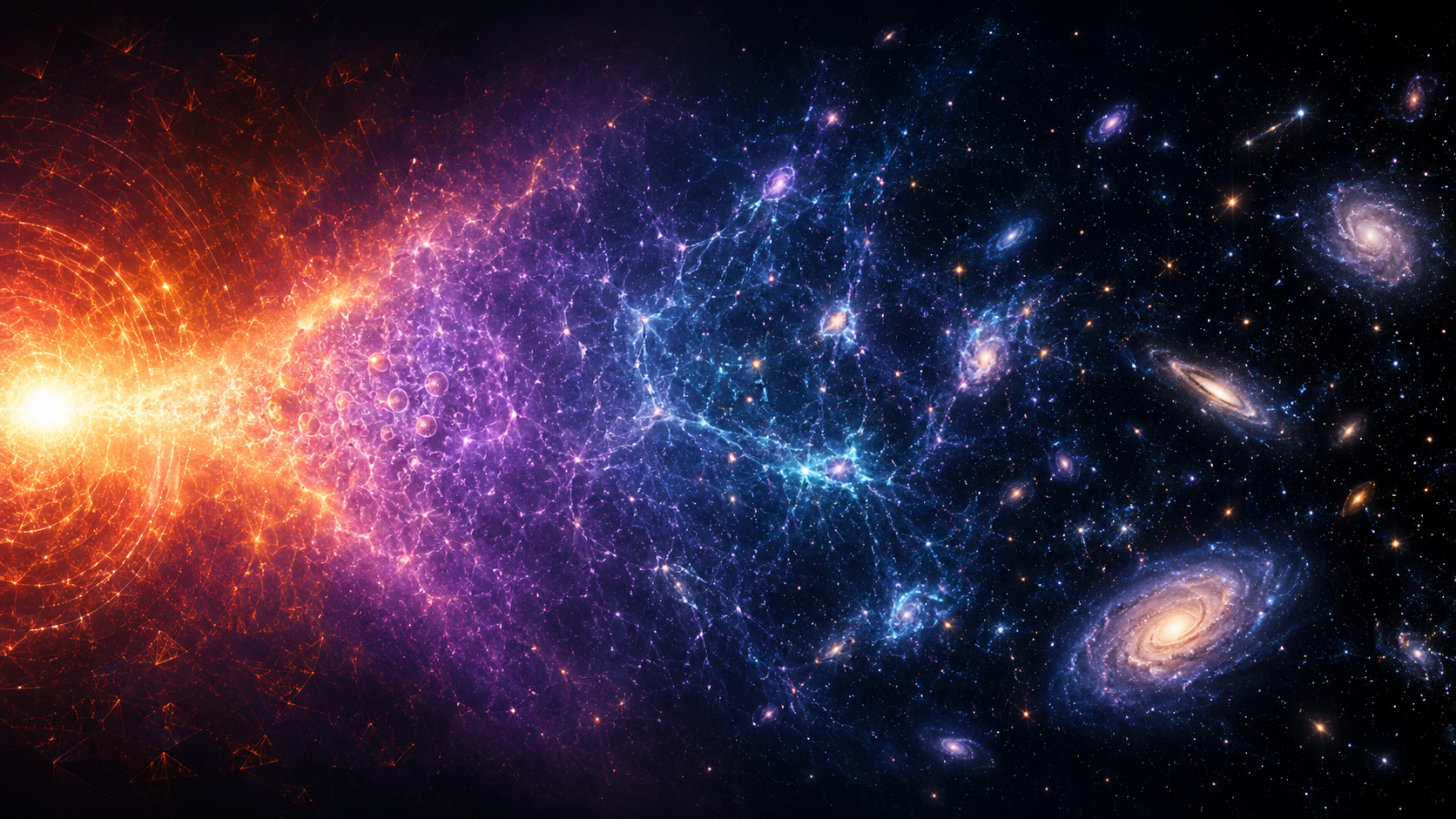
The Big Bang, Before the Big Bang, and Why It Still Scares Me
Cosmology, uncertainty, and the strange emotional effect of asking origin questions.
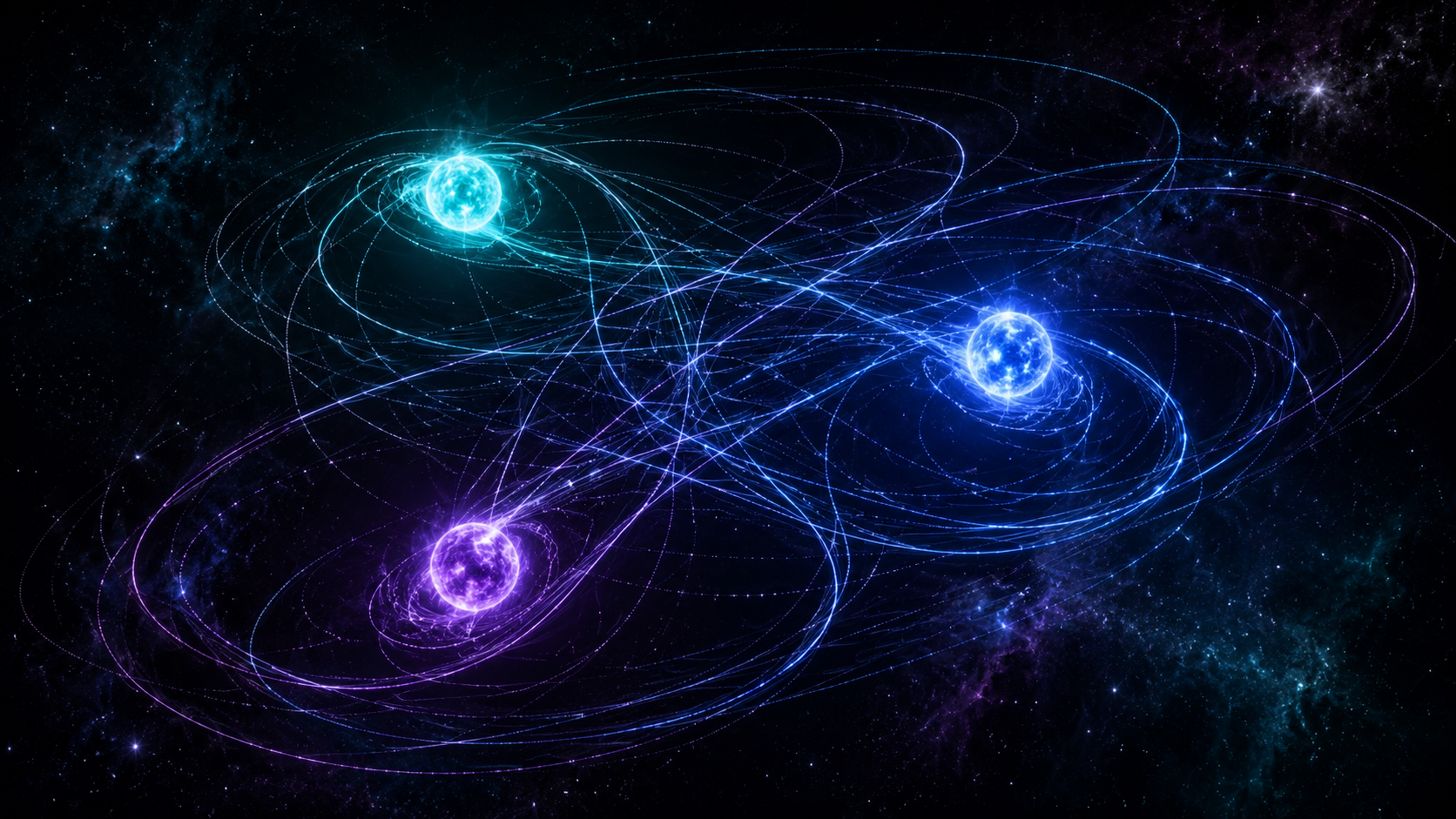
The Three-Body Problem
When gravity refuses to behave politely, with an interactive simulation.
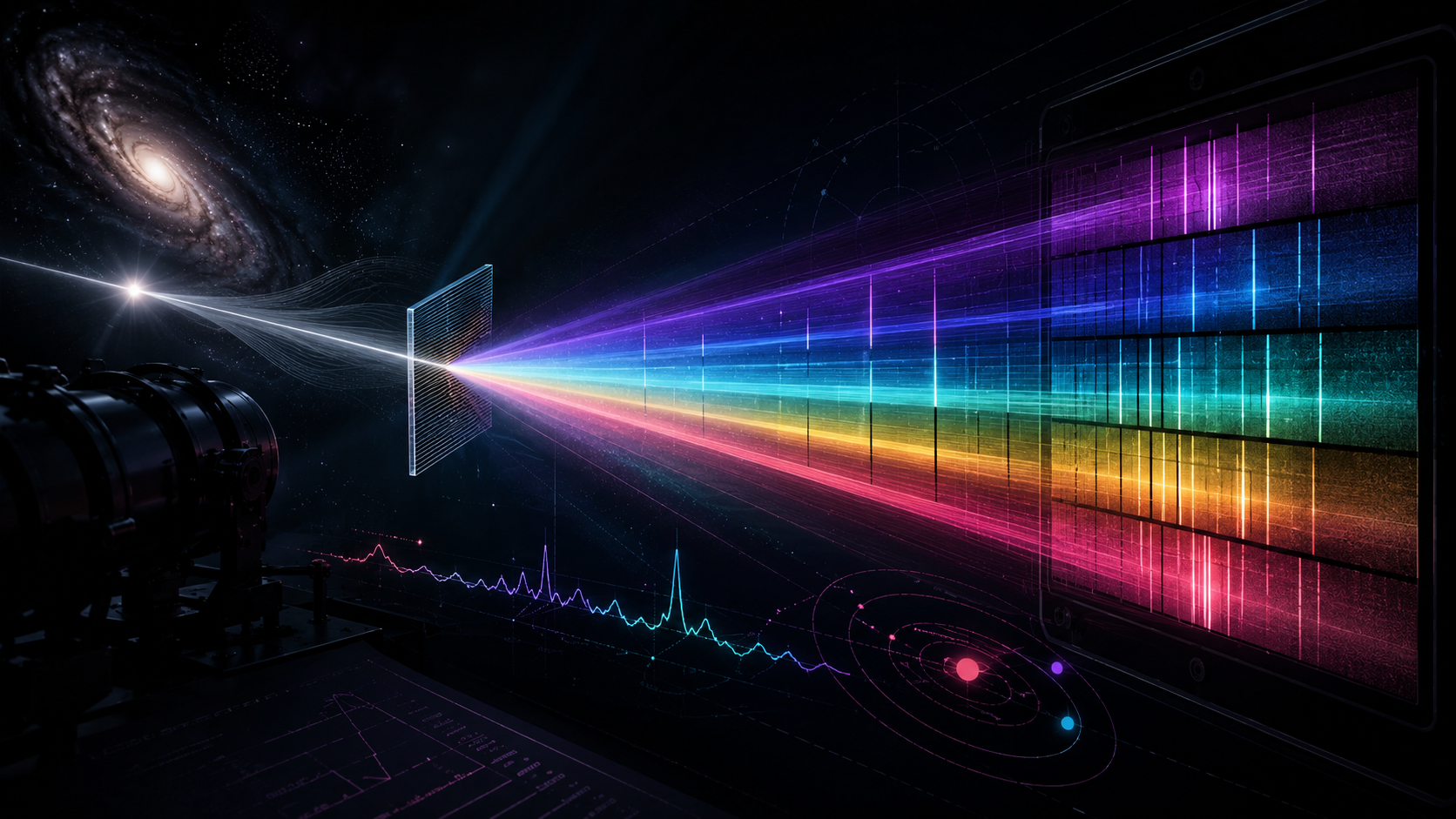
Spectra: How Light Becomes a Confession
How light reveals composition, temperature, motion, and more.
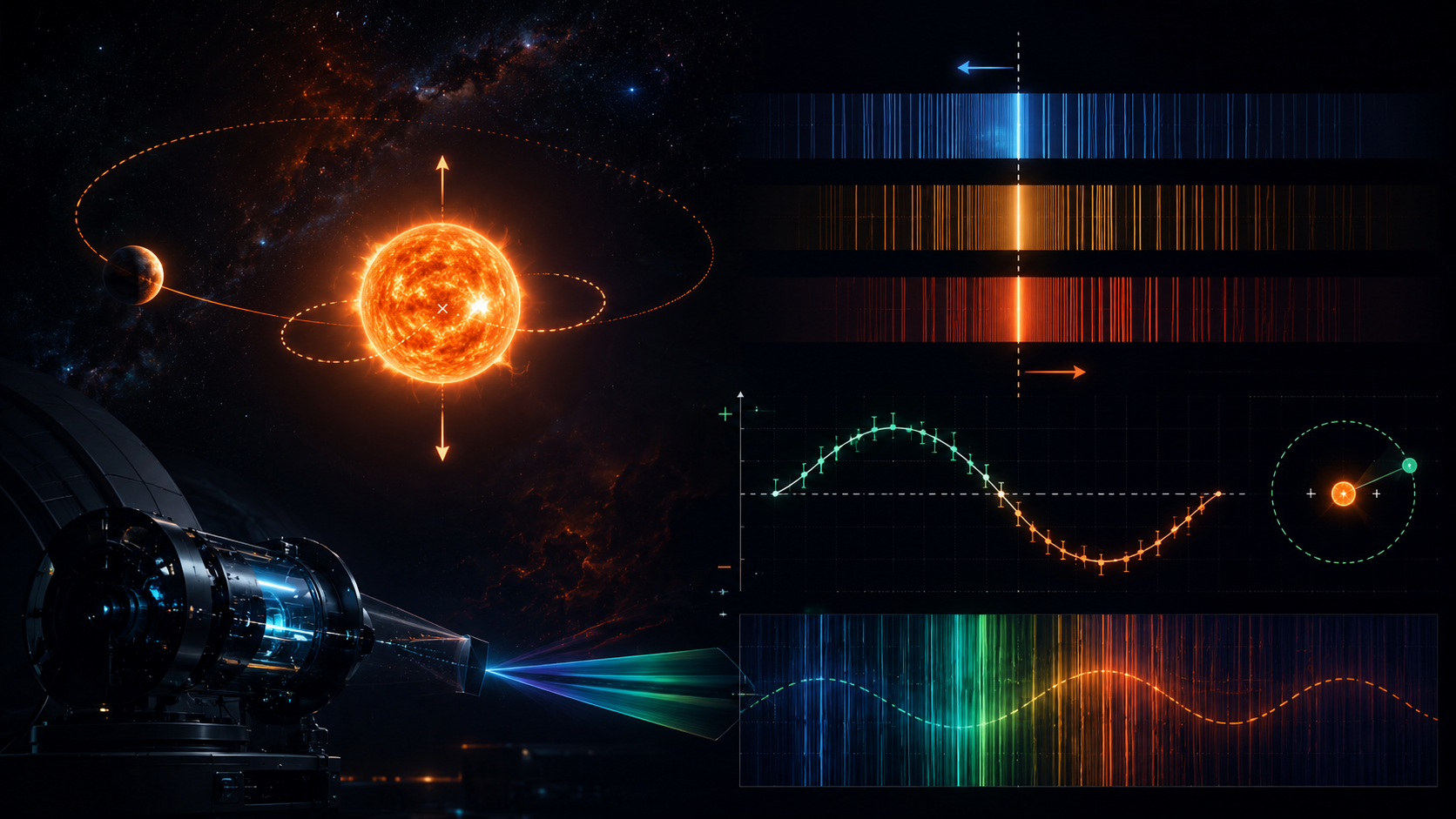
Finding Planets by Watching Stars Panic Slightly
A friendly guide to the radial velocity method and stellar wobble.
Academic and research timeline
MSc Astrophysics with Advanced Research (2022–2024)
University of Hertfordshire — dissertation work centred on EXOhSPEC and feedback control.
BTech Electronics & Communication Engineering (2017–2021)
University of Engineering and Management — engineering foundation in electronics, embedded systems, and communication technologies.
SEPnet placement — Lumi Space (2024)
Detector and performance-related analysis for satellite laser ranging applications.
Brown dwarf candidate work
Observational analysis related to candidate halo T dwarfs using astronomical survey data.
An Earthian timestamp
A small personal astronomy-inspired clock based on my birth timestamp: 11 August 1999, 7:59 PM. These values are approximate and intended as a fun Sun–Earth–planetary analogy, not precise astrodynamics.
Born on Earth, measured through motion
Time can be described not only in calendar years, but also through rotations, orbits, and planetary rhythms. This section turns a human timestamp into a small cosmic dashboard.
A small ladder from here to almost everywhere
A simple scale ladder to give the site a more astronomy-like feel. The values are approximate and designed for perspective.
Where am I in the Milky Way?
A simple astronomy-inspired location summary. These are approximate educational values designed to make the page feel more interactive and cosmic.
Your current address
Earth → Solar System → Orion Arm / Local Spur → Milky Way Galaxy → Local Group
Distance from Galactic Centre
~26,700 ly
Approximate Sun–Galactic Centre distance.
Alpha Centauri system
4.37 ly
Nearest stellar system to the Sun. Proxima Centauri is the closest individual star at about 4.24 light-years.
Andromeda Galaxy
~2.54 million ly
The nearest large spiral galaxy to the Milky Way.
How far through one Milky Way orbit?
The Sun takes roughly 225–250 million Earth years to complete one orbit around the centre of the Milky Way.
My current age corresponds to only a tiny fraction of one Galactic year:
--
A personal site can still feel scientific
I want this website to feel more than static text. Small interactive scientific details — like a cosmic clock, scale ladder, or galactic location summary — give the page personality while staying aligned with astronomy.
Let’s connect
I’m interested in connecting for research opportunities, instrumentation discussions, exoplanet spectroscopy, optics, detector systems, science writing, and academic networking.
Astrophysics, optics and instrumentation
I am currently most interested in astronomical instrumentation, exoplanet spectroscopy, optical systems, detector-plane stability, feedback control, and experimental research at the interface of physics and engineering.
Have a topic request?
If you like the content here, or if there is a specific astrophysics, instrumentation, physics, coding, or science-writing topic you would like me to explore, feel free to reach out. I am more than happy to discuss ideas, write explainers, or build small interactive tools around them.